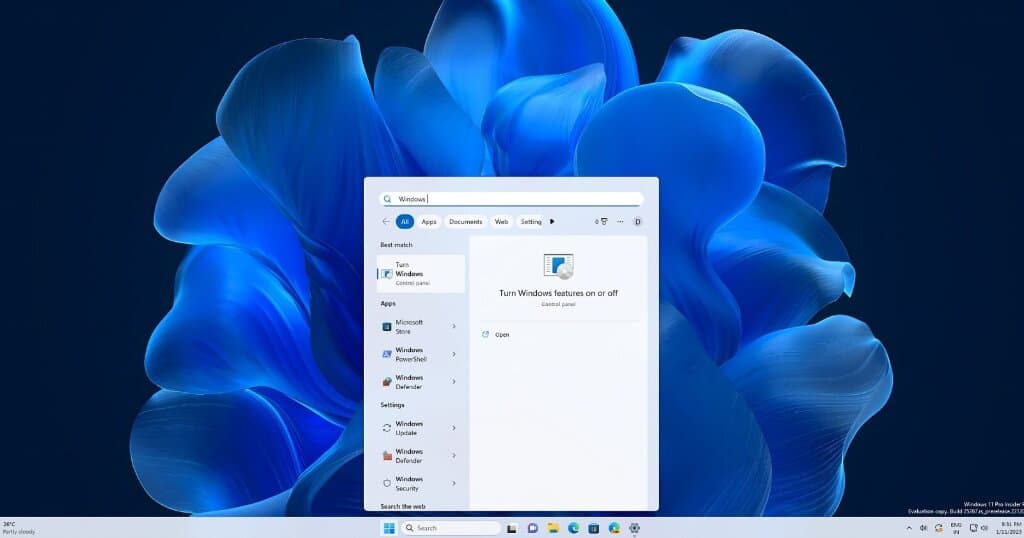
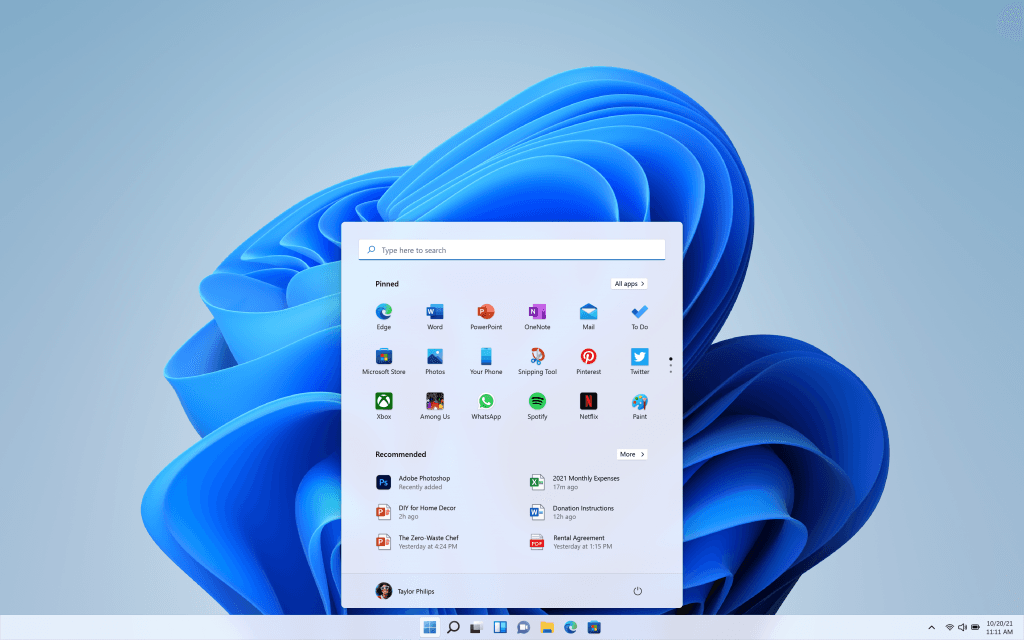
So Windows 11 is getting Start menu customization. You can hide the Recommended section, resize the menu, turn off sections independently. This is in an Insider build right now, Build 26300.8553, rolling out to experimental channel users first.
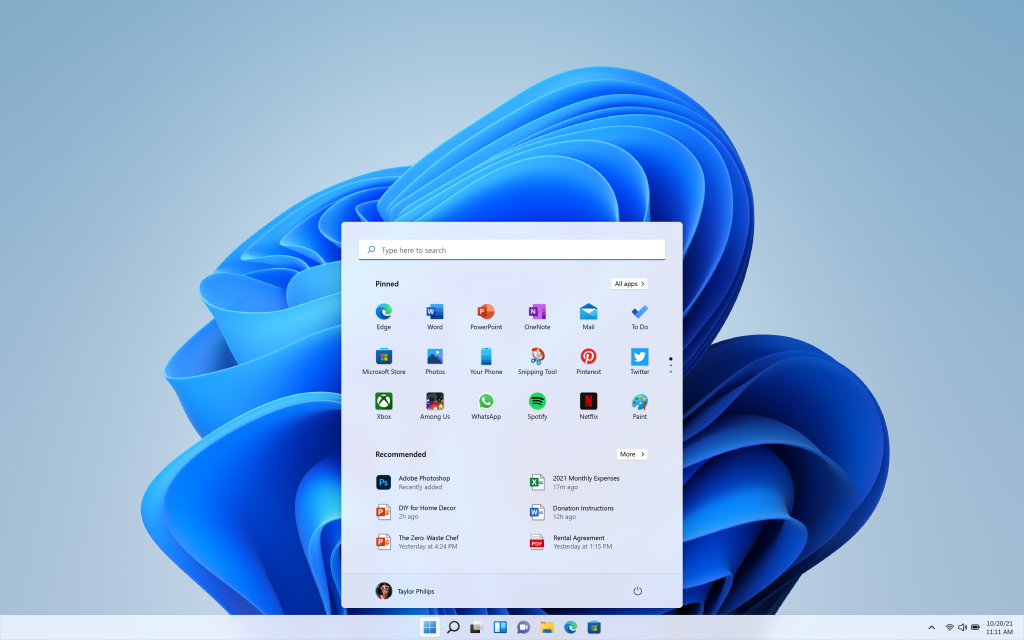
The coverage has been pretty positive. "Biggest interface update in years," some sites are saying. And that's probably true, actually. It probably is the biggest interface update in years.
Giving Back What Was Taken
There's a version of this where Microsoft is listening and responding and doing the right thing, and that's the narrative most of the coverage is going with. And look — the changes are real. The direction is genuinely better. I don't want to be the guy who complains when good things happen.
But Windows XP had a customizable Start menu. Windows 7 had a customizable Start menu. You pinned apps, you organized things how you wanted, the computer did what you told it. Nobody wrote about it because writing "computer lets user organize computer" is not an article. It's just a description of a thing that exists and works.
Windows 11 launched in 2021 with a Start menu that had a large forced Recommended section you couldn't turn off, taking up a significant chunk of the menu, and when users asked for a toggle the feedback sat in the Feedback Hub for years getting upvotes. There were actually developers who built and sold third-party apps specifically to replace the Windows 11 Start menu with something closer to what Windows 10 had. One of them is called StartAllBack. People paid for it. Cheerfully. To have a Start menu that worked like Start menus did before Microsoft changed it.
Microsoft is now fixing this in 2026 and some of the coverage is treating it like a gift.
Context Collapse and the Tech Press
I don't totally blame the coverage, honestly. Context collapse is real. If you're writing about Windows every day you can end up in a headspace where "Microsoft adds toggle for X" is genuinely exciting news, because you've been watching people ask for the toggle for four years. I get it.
But try explaining the situation to someone who hasn't been following. "So Windows removed the ability to customize the Start menu, then for years didn't add it back, and now they're adding some of it back and it's a big deal." That person is going to look at you with an expression.
Anyway. The updates.
2025 and early 2026 were not great for Windows Update's reputation. Windows Latest did a count and found over 20 major update problems across 2025, and 2026 started with more.
The October 2025 one was particularly bad optics-wise. Update KB5066835 shipped and broke USB keyboards and mice in the Windows Recovery Environment. The recovery environment — the tool you're supposed to go to when Windows isn't working. You'd boot into it and your keyboard wouldn't respond. Mouse wouldn't respond. You could see the recovery options but couldn't click anything. Microsoft's suggested workaround included using a PS/2 port if your PC had one, which is the kind of advice that works great if you're using a computer from 2007.
They fixed it six days later with an emergency patch.
January 2026, KB5073455. Some machines stopped shutting down. You'd click Shut Down, they'd restart. Click Hibernate, restart. No error message. Just restart. Microsoft confirmed it was a conflict with a security feature called Secure Launch, which was apparently interpreting shutdown commands as unauthorized state changes. The fix took weeks. During that time the workaround was a command-line instruction that disabled the security feature causing the problem, so the solution to the security update breaking your shutdown was to turn off the security feature from the security update.
BitLocker kept becoming a problem too. Updates in May 2025, October 2025, and then April 2026 triggered BitLocker recovery screens on some PCs — requiring a 48-digit recovery key to get back in. This isn't a single incident, it's a pattern across almost a year. Microsoft says they've addressed the root cause in the May 2026 update and it's not happening anymore.
The May 2026 update itself managed to fail on some PCs because of EFI System Partition space. This is a small hidden partition that holds boot files, something Windows creates automatically that most people never think about. If it had less than ~10MB free, the update would download fine, get to about 35% on restart, then roll back and fail with error code 0x800f0922 — a vague error that doesn't tell you why. Fix came in a later optional update. An update to fix the update.
None of these individually is catastrophic. But there's something that happens when this pattern repeats enough. People on Reddit started routinely advising others to wait a week after Patch Tuesday before installing updates, so early adopters could find the problems first. That's IT admin advice. That became normal user advice. That's a thing that happened.
The ARM Push and UI Modernization
The ARM push is interesting and probably worth paying attention to separately from all this. Windows on ARM had a rough few years — compatibility issues, slow emulation, limited hardware. The Surface Laptop 7 with Snapdragon X hardware is actually usable now, and there are reports Nvidia is entering the ARM laptop space with N1X chips. If that happens that could be significant. Microsoft clearly doesn't want Apple Silicon to be the only story about ARM laptops.
The UI modernization stuff is also real. Microsoft is apparently working through a list of old dialog boxes and rewriting them in WinUI 3. File copy dialogs already done. Run dialog done and apparently slightly faster than the original. Common file open dialog coming. This matters less for most users than the Start menu stuff, but the Windows settings fragmentation — where some things live in the modern Settings app, some in Control Panel from 2009, some in dialogs that predate HD monitors — is something power users have complained about for a long time.
And there's shared audio. Two Bluetooth devices can now connect to one PC and both hear the same audio simultaneously. Apple has had this feature for a while. It's a nice feature. Windows has it now.
Recent Builds and Future Outlook
The recent builds are getting better reactions than Windows 11 usually gets. That's real. The complaints are quieter. The direction of the last few months — Start menu control, taskbar improvements, fixing update reliability, working on UI consistency — does look like a company responding to feedback rather than ignoring it.
The test is whether it continues. Microsoft has reversed direction before. Windows 10 started well. The feature set around 2015-2016 was genuinely good. Then incrementally, over years, it became the OS that kept nudging you toward things you didn't want, then Windows 11 launched and removed things you did want, and here we are in 2026 writing about the Start menu finally being customizable again.
The people who are skeptical aren't being cynical for fun. They've just watched this specific movie before and remember how it ended.