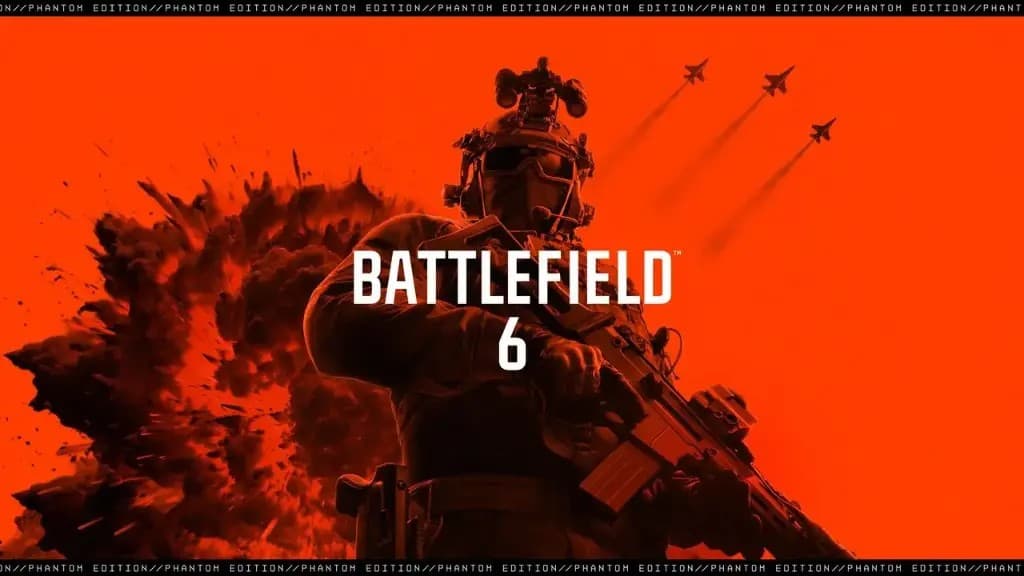
Two months ago, Battlefield 6 launched with massive hype. Twenty days later, a small Swedish studio released ARC Raiders, an extraction shooter most people had never heard of.
Today, the numbers tell a strange story: ARC Raiders is holding onto most of its players while Battlefield 6 has lost more than 80% of its Steam audience. The headline sounds dramatic, but the reality is more interesting than any clickbait.
What the numbers actually show
On October 10, 2025, Battlefield 6 hit its peak on Steam with 747,440 people playing at the same time. That's a massive launch—bigger than most AAA shooters see. By December 29, that number had dropped to around 125,230 concurrent players. That's an 83% decline in less than three months.
ARC Raiders launched on October 30 with 478,198 concurrent players at its peak. As of December 29, it's sitting at roughly 404,666 concurrent players. That's only a 15% drop—meaning it's kept 85% of its launch audience.
The headline is accurate for Steam. But there's more to the story.
(Sources: VideoGamer, SteamDB, ActivePlayer.io, PlayerAuctions, Tracker Network)
What these numbers don't tell you
Both games are available on PlayStation 5, Xbox Series X|S, and multiple PC storefronts. Battlefield 6 also runs on EA's own launcher, which doesn't publish player counts. We only see Steam numbers because Valve makes that data public.
This matters because console players and EA App users could tell a completely different story. Maybe Battlefield 6's total playerbase is healthier than Steam suggests. Maybe ARC Raiders is struggling on consoles. We don't know because those numbers aren't public.
What we do know is that Steam represents a significant portion of the PC gaming market, and these trends usually reflect broader patterns. When a game bleeds 80% of its Steam players, something's wrong.
How Battlefield 6 got here
Battlefield 6 didn't fail because it was bad. Most critics liked it. The campaign was solid, the graphics were impressive, and the core gunplay felt like classic Battlefield. But liking a game and playing it for months are two different things.
The problems started showing up after the first few weeks. Players noticed hit registration issues—bullets that should've landed didn't count, and fights felt inconsistent. Audio was unreliable, especially footsteps and directional sound. These aren't minor annoyances in a competitive shooter; they're dealbreakers. When you can't trust whether your shots will register, you stop playing.
Then there was the content problem. Battlefield 6 launched with a limited map pool, and post-launch updates came slowly. Players got bored running the same few maps over and over. Older Battlefield games spoiled the community with aggressive DLC drops and frequent updates. Battlefield 6 followed the modern live-service model: slow, seasonal content releases. Players didn't have the patience.
The progression system made things worse. Unlocking weapons required 1,000 to 1,200 kills per gun. The battle pass felt endless. Some challenges forced players into RedSec, the battle royale mode, even if they just wanted to play traditional Battlefield. For people with jobs and families, it felt like a second job. They quit.
Crossplay added another layer of frustration. Console players felt outmatched by PC users with higher frame rates, mouse and keyboard precision, and occasional cheaters. PC players complained about controller aim assist. There were no console-only playlists at launch. When players believe the playing field isn't fair—whether that's true or not—they leave.
And then there was competition. Call of Duty: Black Ops 7 launched on November 14. ARC Raiders was already pulling players. The shooter market is crowded, and Battlefield 6 didn't give people a strong reason to stay.
By mid-November, Game Rant reported Battlefield 6 was down 65% from its peak. By late December, that number hit 80%. The trajectory was clear: people weren't coming back.
(Sources: Game Rant, Reddit discussions, VideoGamer, GamesHub)
Why ARC Raiders is different
ARC Raiders shouldn't have succeeded. It's a $40 game from a studio most people hadn't heard of, competing against Battlefield and Call of Duty. But it did something those giants didn't: it respected player time.
Extraction shooters have a built-in tension loop. You drop into a match, collect loot, fight enemies (both AI and sometimes other players), and try to extract safely. If you die, you lose everything. If you make it out, you keep your gear and progress. That risk-reward cycle is addictive in a way traditional shooters aren't. Every match feels like it matters.
ARC Raiders also focused on PvE first. Most matches are about fighting AI enemies, not sweating against tryhards. That makes it accessible to casual players who just want to unwind after work. There's optional PvP for people who want it, but you're not forced into high-stress competitive matches every time.
The progression feels fair. Matches are focused and purposeful. Players described it as "easier to get into after a long day" compared to Battlefield or Call of Duty. That matters when your gaming time is limited.
Word-of-mouth helped too. ARC Raiders won Best Multiplayer at The Game Awards 2024. Google listed it as the top-trending game worldwide for 2025. Embark Studios reported over 700,000 concurrent players across all platforms, and analytics firm Alinea estimated 3.7 million copies sold. When a game has momentum, players stick around because their friends stick around.
(Sources: Beebom, VideoGamer, ActivePlayer.io)
The Christmas question
Some people argue the December drop is just a holiday lull. Players are visiting family, touching grass, taking breaks. That's partially true—gaming activity always dips around the holidays.
But the Battlefield 6 decline started in October and accelerated through November, long before Christmas. The complaints were consistent: bugs, boring maps, unfair gunfights, slow content. This isn't a temporary absence. Players didn't say they were taking a break. They said they stopped playing.
ARC Raiders also went through the holidays, and it barely lost any players. If Christmas was the main factor, both games would've shown similar dips. They didn't.
What this means
Forget the "one game wins, one game loses" framing. What's actually happening is a shift in what players want from shooters in 2025.
Battlefield 6 tried to be everything: classic Battlefield, competitive esport, battle royale platform, live-service grind. Jack of all trades, master of none. The old-school fans felt alienated. The action junkies went to Call of Duty. The curious tried ARC Raiders and never came back.
There's also a burnout factor nobody talks about enough. FPS players are getting older. They have less time, less patience for unfair gunfights and endless grinds. They want games that feel good on day one and don't punish them for having a life outside gaming. ARC Raiders delivers that. Battlefield 6 asks you to treat it like a part-time job.
Call of Duty's dealing with the same fatigue—sweaty lobbies, cheaters, franchise exhaustion—but they've got two decades of brand loyalty and a marketing budget the size of a small country. Battlefield doesn't have that cushion.
The takeaway isn't about one franchise struggling. It's that AAA budgets and big names don't guarantee anything anymore. Players want consistency, fairness, and respect for their time. Miss that mark, and they're gone.
Can Battlefield 6 recover?
It's possible but difficult. Some games have turned around after rough launches—Rainbow Six Siege, No Man's Sky, Cyberpunk 2077. But those recoveries took years of updates, communication, and goodwill rebuilding.
Battlefield 6's Season 2 could bring meaningful content drops, balance fixes, and quality-of-life improvements. If DICE listens to feedback and delivers fast, some players might return. But the longer they wait, the harder it gets. Players who've already moved on to other games rarely come back.
The bigger problem is trust. EA and DICE have launched troubled Battlefield games before. Players remember. Even when things improve, convincing people to give the game another shot is an uphill battle.
The bottom line (opinion based on facts)
Battlefield 6's 80% player drop isn't a fluke or a holiday dip. It's the result of real problems: inconsistent gunplay, content drought, unfair progression, and a crowded market. ARC Raiders succeeded because it delivered a focused, respectful, fun experience when players needed one.
The headline is true, but it's not the whole story. Steam numbers don't capture console players or EA App users. Maybe Battlefield 6's total playerbase is healthier than it looks. But even if that's true, losing 80% of your Steam audience in three months is a warning sign.
This isn't about declaring winners and losers. It's about what 2025 players actually value: games that work on launch, respect their time, and don't treat them like content-generating machines. ARC Raiders got that memo. Battlefield 6 was still drafting it.
If you're a Battlefield fan, don't write it off yet. Games can recover—Siege did, Cyberpunk did. But it takes more than seasonal drops and bug fixes. DICE needs to prove they understand why people left. That takes humility, and honestly? We haven't seen much of that from EA lately.
If you're trying to decide what to play, the numbers give you a direction, not an answer. Try both if you can. See what fits the amount of time you actually have. Life's too short to play games that feel like obligations.
SOURCES
Player count data:
- VideoGamer (ARC Raiders and Battlefield 6 Steam tracking, December 2025)
- SteamDB (historical concurrent player data)
- ActivePlayer.io (real-time tracking)
- PlayerAuctions (Battlefield 6 statistics)
- Tracker Network (ARC Raiders data)
Industry reporting:
- Game Rant (Battlefield 6 65% drop, November 2025)
- GamesHub (launch patterns analysis)
- Beebom (ARC Raiders awards and sales data)
- Alinea Analytics (3.7 million sales estimate)
- Embark Studios official statements (700,000 concurrent players cross-platform)
Community feedback:
- Reddit discussions (various Battlefield and ARC Raiders subreddits)
- User reviews on Steam