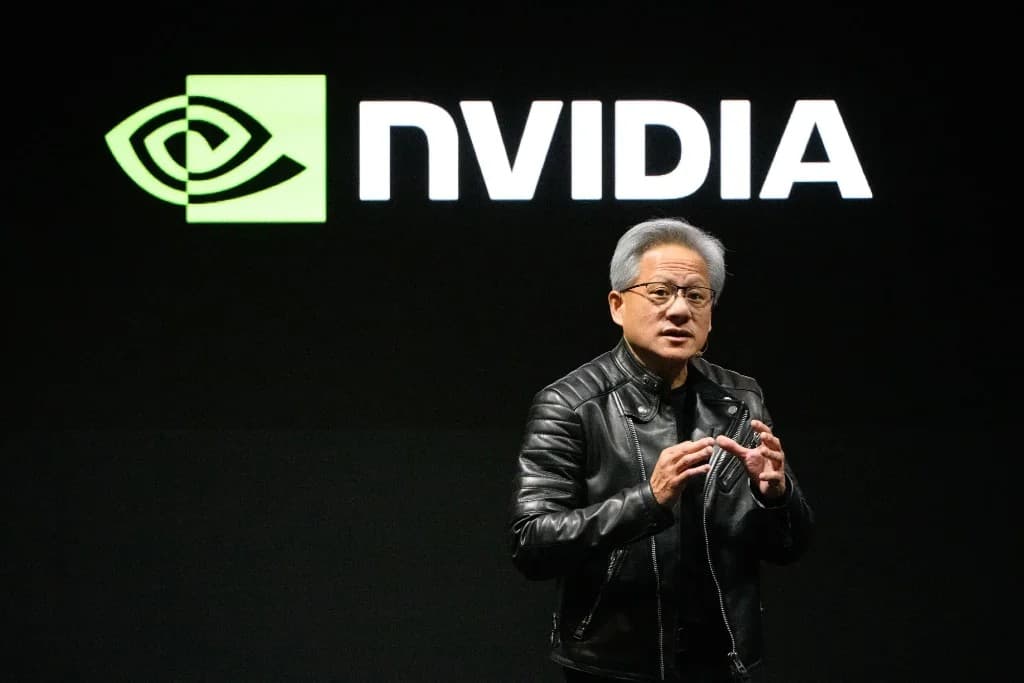
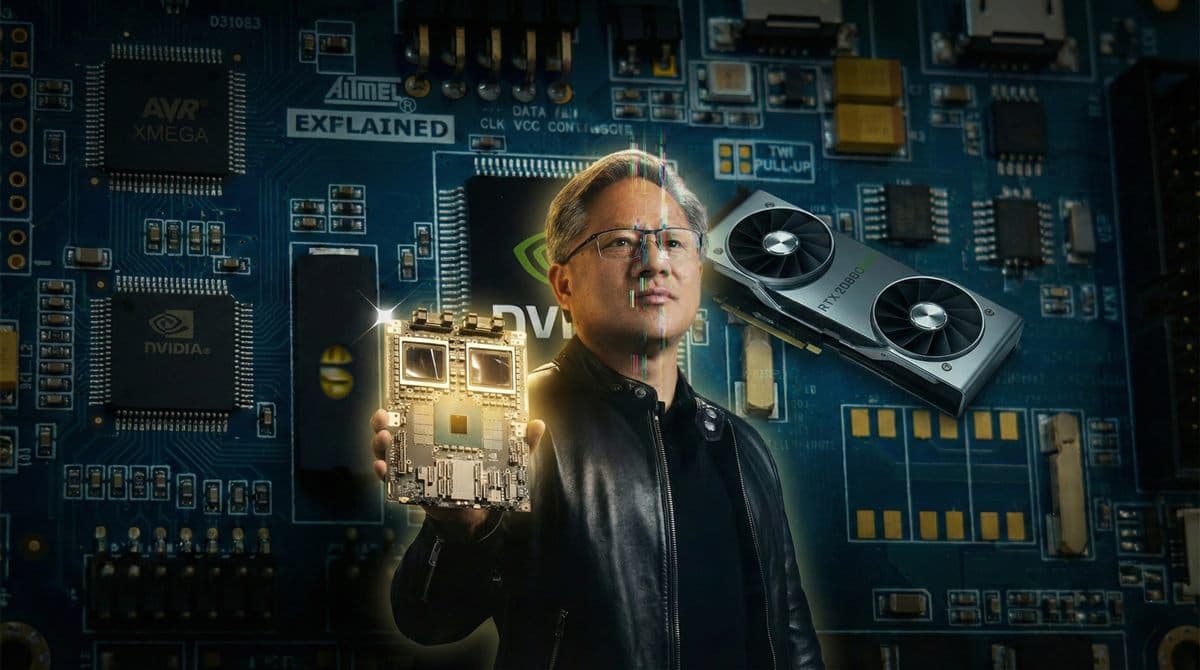
According to The Information, Nvidia won't release new gaming GPUs in 2026. RTX 50 Super refresh? Canceled. RTX 60 series that was supposed to start mass production late 2027? Delayed to 2028.
Nvidia told Tom's Hardware: "Demand for GeForce RTX GPUs is strong, and memory supply is constrained. We continue to ship all GeForce SKUs and are working closely with our suppliers to maximize memory availability."
No mention of delays, cancellations, or timeline changes though.
What Got Canceled
The RTX 50 Super lineup was fully designed before being shelved. Leaked specs:
RTX 5080 Super: 24GB GDDR7 (vs 16GB), 415W TGP (vs 360W)
RTX 5070 Ti Super: 24GB GDDR7 (vs 16GB), 350W TDP (vs 300W)
RTX 5070 Super: 6,400 CUDA cores (vs 6,144), 18GB GDDR7 (vs 12GB), 275W TDP (vs 250W)
All three expected at CES 2026. Days before the event, Nvidia announced no new GPUs—first time in five years.
The RTX 5080 launched with 16GB, less than the previous-gen RTX 4090's 24GB. Super refresh would've fixed that. Didn't happen.
The GDDR7 Memory Shortage
Global shortage of high-density GDDR7 memory. Affects consumer GPUs and AI accelerators. The Information reports priority going to AI products.
The numbers:
- Gaming GPUs use 3GB GDDR7 modules per chip
- AI accelerators use the same memory
- Production limited across Samsung, Micron, SK hynix
- Nvidia cutting current RTX 50 production by 20-40%
- Lower-VRAM models getting priority
Tom's Hardware noted this would be "the first year in three decades" without a new Nvidia gaming GPU. Three decades.
Where the Money Goes: Nvidia Data Center Revenue vs Gaming
The revenue shift is... dramatic:
2022 (first 9 months): Gaming = 35% of total
2025 (first 9 months): Gaming = 8% of total
FY2025: Data center $115.2B (88%), Gaming $11.4B (9%)
Q3 FY2026: Data center $51.2B, Gaming $4.3B. That's 12:1.
Profit margins: AI chips ~65%, Gaming GPUs ~40% (per The Shortcut)
Data center grew 142% year-over-year. Gaming grew 9%.
Financial Context: Nvidia AI Chip Margins
FY2025: 75% gross margin, $72.88B net income on $130.5B revenue. Winvesta notes this exceeds most semiconductor companies by ~20 percentage points.
The Information: RTX 50 Super designs complete before being deprioritized.
Jensen Huang on reviving old GPUs with new tech: "would require a fair amount of engineering, but it's also within the realm of possibility."
Will Nvidia Bring Back the RTX 3060?
Tom's Hardware asked Huang about restarting RTX 3060 production (Samsung 8nm, GDDR6) to ease supply.
Huang: "Yeah, possibly... we could also bring the latest generation AI technology to the previous generation GPUs... I'll go back and take a look at this."
RTX 3060 uses different resources than current Blackwell chips—GDDR6 instead of GDDR7, Samsung 8nm instead of TSMC 4nm.
Nvidia's Corporate Shift to AI
Q3 FY2026 earnings call: Nvidia "evolved over the past twenty-five years from a gaming GPU company to now an AI data center infrastructure company."
CES 2026 keynote focused primarily on AI. Gaming got limited stage time.
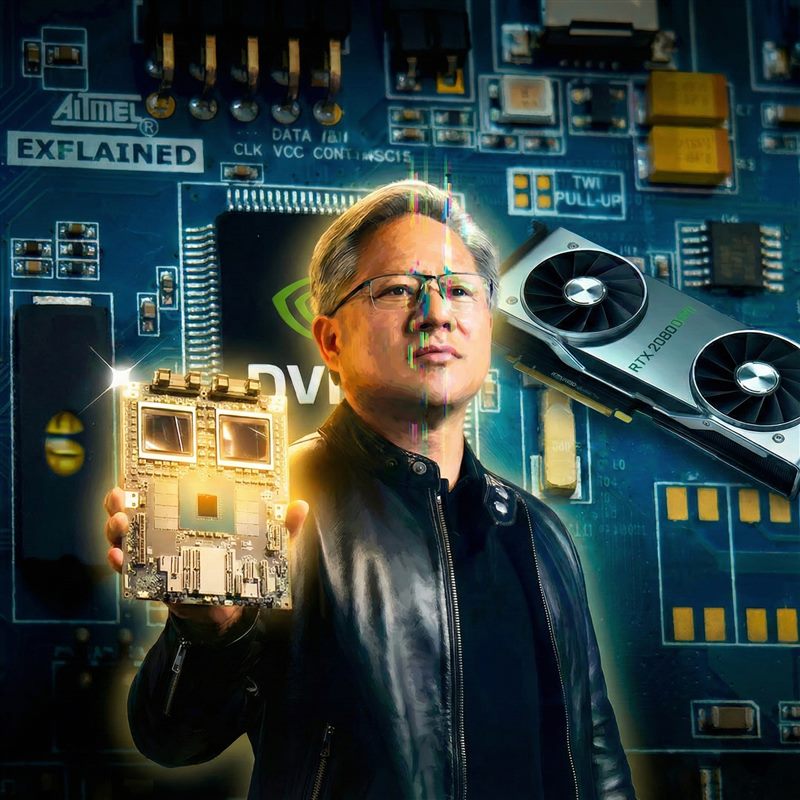
The Nvidia Four-Year GPU Generation Gap
2026: No new GPUs. Super canceled. Production cuts 20-40%. Maybe—maybe—RTX 3060 revival.
2027: RTX 60 was supposed to start late 2027. Not happening.
2028: RTX 60 "Rubin" production likely begins.
That's a four-year gap between RTX 50 (early 2025) and RTX 60 (2028). Historical pace was every 1.5-2 years.
Competition & Contributing Factors
AMD: "No news of any new-generation consumer GPU products launching in 2026" (VideoCardz, Board Channels)
Intel Arc: Small market share, continuing development
Why this is happening:
- GDDR7 production limited (Samsung, Micron, SK hynix)
- AI products have 65% margins vs gaming's 40%
- Minimal AMD/Intel competition in 2026
- Same TSMC 4nm node for both Blackwell AI and RTX 50
- Strong demand + constrained supply
CFO Colette Kress (Q4 FY2025): Gaming "shipments impacted by supply constraints" despite "demand remain[ing] strong."
Nvidia GPU Pricing 2026
RTX 5090: $1,999 MSRP, $4,000-5,000 actual (Tom's Hardware, TweakTown)
RTX 5080: $999 MSRP, street prices higher
Nvidia says they're "maximizing memory availability"—doesn't say where it goes.
My Assessment
The memory shortage is real. But let's not pretend this is purely supply constraints when the numbers tell a different story.
Nvidia's allocating scarce resources to 65% margin AI products instead of 40% margin gaming GPUs. That's profit optimization, not crisis management. RTX 50 Super designs were done—$72B in net profit suggests resources weren't the issue.
They're a publicly traded company. Maximizing shareholder value is their job. Fine.
But don't insult gamers' intelligence. Your Q3 data center revenue is 12x gaming. You're sitting on industry-leading margins. The "memory shortage" explanation conveniently doubles as cover for margin expansion when you cut production 20-40% while demand stays strong. Convenient.
"Maybe we'll resurrect the RTX 3060"—you have $72B annual profit and you're floating reviving five-year-old cards instead of allocating new memory to gaming. "A fair amount of engineering" is apparently too much for record margins, but resurrecting discontinued products is "within the realm of possibility."
Here's the thing: Gaming built Nvidia. GeForce, CUDA, developer relationships—decades of dominance. Now AI's more profitable, gaming gets what's left.
I get it. If I'm running Nvidia, I make the same call. AI customers pay $30k+ for H100s. Gamers complain at $999. The math's obvious.
But just say it: "Gaming is 9% of revenue, AI is 88%, we're allocating accordingly." That's honest. "Working closely with suppliers" while prioritizing AI accelerators? That's corporate speak.
Gaming's permanent second priority now. When AI cools—and it will—Nvidia will need gamers again. By then, maybe AMD's caught up. Intel's improving. Treating legacy customers as afterthoughts works in booms. Recessions? Different story.
The goodwill burn is real. Four-year generation gaps might be normal now. Prices aren't coming down. And the company gaming built just told you what you're worth: 9%.
What Happens Next
Short term (2026): No launches. Maybe RTX 3060 revival. High prices continue. More production cuts likely.
Medium term (2027-28): RTX 60 eventually ships, probably 2028. Elevated pricing vs historical norms. AMD may or may not compete.
Long term: Gaming = permanent second priority behind AI. Four-year gaps might be new normal. When AI cools, will gamers still care?
Sources: The Information (primary reporting on cancellations/delays), Tom's Hardware, PC Gamer, eTeknix, The Shortcut, Wccftech, TweakTown, VideoCardz, AllKeyShop, Tom's Guide, TechSpot, Sherwood News, Winvesta financial analysis, Nvidia official financial filings (FY2025 Q4 earnings), Nvidia official statements to media
Note: Revenue figures, profit margins, and timeline details come from Nvidia's official financial reports and statements to shareholders. Allocation priority conclusions are analytical interpretation based on documented revenue splits and profit margin data.