As we roll into 2026, PC gaming stands at a crossroads: groundbreaking AI-powered frame generation technology that can multiply framerates by 8x, alongside memory shortages threatening to drive GPU prices up 10-40% and force budget laptops back to 8GB of RAM. What I'm expecting—and where I think the industry gets it right (and wrong) in the year ahead:
CES 2026 kicks off in a week. New games promise revolutionary graphics tech. But underneath the hype, economic realities threaten to make PC gaming significantly more expensive. Separating what's real from what's marketing:
The Good: Frame Generation Is Finally Maturing
DLSS 4 and FSR 4 have arrived, and for the first time, AMD's tech can genuinely compete with Nvidia's best.
What we know:
- DLSS 4 Multi Frame Generation (Nvidia RTX 50-series only) generates up to 3 additional frames per rendered frame, promising up to 8x performance over traditional rendering
- FSR 4 (AMD RX 9000-series only) uses machine learning-based frame generation exclusive to RDNA 4 GPUs
- Intel XeSS 3 adds multi-frame generation across all Arc cards
- Over 125 games now support DLSS 4, with 75+ confirmed for FSR 4
- Digital Foundry testing shows FSR 4 is faster than DLSS 4 in some scenarios, though DLSS 4 has slight image quality advantages
Sources: PC Gamer, Digital Trends, TechRadar, Nvidia, AMD official announcements
Frame generation used to mean blurry artifacts and input lag. DLSS 4's new transformer AI model and FSR 4's machine learning approach have dramatically improved image quality. As PC Gamer's testing noted, the gap between native resolution and upscaled+frame-gen is narrowing fast.
My take: This technology is genuinely impressive—when it works. DLSS 4 can turn a 60fps game into 240fps with minimal quality loss. That's a game-changer for high-refresh gaming.
But frame generation still has problems. PC Gamer's Nick Evanson noted that at high framerates (120fps+), frame gen artifacts become noticeable. Digital Foundry found FSR 4 has frame pacing issues due to using software-based timing instead of hardware flip metering like Nvidia's implementation.
The bigger concern: frame generation is becoming a crutch. When developers can rely on AI to multiply framerates, what incentive do they have to optimize games properly? We're already seeing games launch with "DLSS/FSR required" performance profiles.
I hope 2026 is the year frame generation gets polished enough that it's genuinely transparent. But I'm betting it becomes the industry-standard excuse for shipping unoptimized garbage. "Why spend six months optimizing when DLSS/FSR can fake triple-digit framerates?" That mindset is how we get $70 games requiring $1,500 GPUs to hit 60fps natively. Frame generation isn't making games better—it's making developers lazier.
The Bad: Component Prices Are About to Explode
Where 2026 gets ugly:
Memory crisis timeline:
- DDR5 RAM prices: Up 40-75% since July 2024 (some SKUs up 171% year-over-year)
- GDDR6/GDDR7 memory for GPUs: Up significantly, driving GPU price increases
- SSD prices: Up 20-60% in November 2024 alone
- Situation expected to worsen through at least H1 2026
Sources: Tom's Hardware, How-To Geek, Engadget, TrendForce reports
GPU price increases confirmed:
- AMD raised Radeon RX 9000 prices by $10 per 8GB of VRAM in December 2025
- Another AMD price hike scheduled for January 2026
- Nvidia reportedly cutting consumer GPU production by 30-40% in H1 2026
- Board partners preparing 10%+ price increases across the industry
Nvidia cutting production 30-40% while memory costs rise isn't a supply problem—it's artificial scarcity. They learned from the crypto mining boom: constrain supply, watch prices spike, maximize margins. When demand outstrips supply, you don't need to compete on price. You just need to control the tap.
PC and laptop price increases:
- IDC forecasts PC prices up 4-8% in 2026
- Dell announced 15-20% laptop price increases
- Lenovo, HP, ASUS, and Acer all planning increases
- Some vendors already selling pre-built PCs without RAM included
Why this is happening:
Memory manufacturers (Samsung, SK Hynix, Micron) prioritize AI data center customers over consumer markets. HBM (High Bandwidth Memory) for AI chips sells for $1,000 per unit vs $30-40 for consumer DDR5 modules. The profit margin difference is massive.
AI infrastructure projects like Stargate ($500 billion commitment that may or may not materialize) are consuming enormous memory capacity. OpenAI's infrastructure commitments reportedly total $1.4 trillion despite the company burning billions annually without clear profitability. When speculative AI ventures funded by cheap capital and investor FOMO will pay 30× more per chip, consumer PC builders lose. Every time. The memory manufacturers are making record profits while pricing you out of your hobby. And they're doing it with taxpayer-subsidized fabrication plants funded by the CHIPS Act.
When will it end?
Optimistic scenario: Late 2026 if AI spending moderates and new fab capacity comes online. Team Group's GM warned normalization unlikely before 2027-2028.
Pessimistic scenario: Sapphire's rep predicts DRAM prices will stabilize in 6-8 months but warns "it may not be the prices we want." Kingston's rep said outright: "If you need RAM or storage, buy it now."
My opinion: This is a structural market shift, not a temporary shortage. Memory manufacturers discovered they can make 10-30× more profit selling to AI customers than to PC gamers who built their businesses in the first place. They don't care about consumer loyalty—three companies control 95% of DRAM production, so where else can you go? Nowhere. That's oligopoly economics. Even when supply stabilizes, don't expect 2023-2024 pricing. They know you'll pay more because you have zero alternatives.
Buy what you need now. Waiting won't save money—it'll cost more.
CES 2026: What to Actually Expect
CES opens January 6 with keynotes from Intel, Nvidia, AMD, Samsung, and LG.
Confirmed announcements:
- Intel Panther Lake "Core Ultra Series 3" CPUs (first on Intel's 18A process with Xe3 integrated graphics)
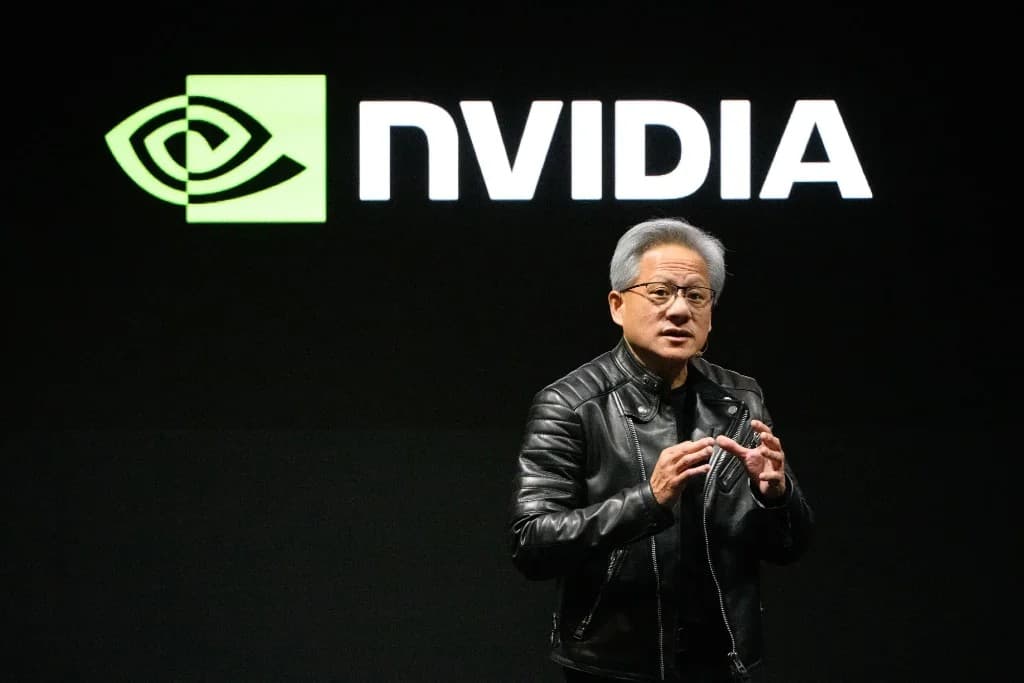
- Nvidia keynote with Jensen Huang (90 minutes) - likely RTX 50 Super acknowledgment, not launch
- AMD keynote with Lisa Su - "upcoming chip announcements"
- LG UltraGear evo monitors (39-inch 5K2K OLED, 52-inch ultrawide)
- Samsung Gemini-powered smart appliances
High-credibility rumors:
- Nvidia RTX 50 Super series reveal (5070 Super, 5070 Ti Super, 5080 Super)
- Actual launch likely Q3 2026, not immediate availability
- Memory upgrades to 3GB GDDR7 modules
- Intel Panther Lake showcasing Xe3 graphics competing with AMD's integrated solutions
My take on CES 2026: Expect a lot of "coming soon" and not much "available now." Nvidia might tease RTX 50 Super cards, but with memory prices sky-high and production cuts rumored, don't expect them on shelves until mid-2026 at earliest. CES is where companies announce products they won't ship for 6-12 months at prices they haven't finalized. It's a hype machine, not a shopping event.
The most interesting announcement will be Intel's Panther Lake. If their Xe3 integrated graphics genuinely compete with AMD's 890M, that reshapes the laptop market. But "if" is doing heavy lifting—Intel's track record on GPU execution is spotty.
What I'm Watching in 2026
Beyond hardware prices and frame generation, here are the trends I'm paying attention to:
1. The Death of Budget Gaming PCs
When 16GB of DDR5 costs $100-150 (up from $50-60 in 2023), and budget GPUs cost $250+ (up from $180-200), building a capable 1080p gaming PC for under $700 becomes nearly impossible. The industry spent decades building an ecosystem around budget PC gaming. Now they're abandoning it for AI data center margins. Congratulations—you've priced out the next generation of PC gamers.
This pushes more gamers toward:
- Used hardware markets
- Console gaming
- Sticking with older systems longer
The used hardware market is about to boom. When a used RTX 4070 costs less than a new 5060, and performs nearly identically, why buy new? The industry trained a generation of gamers to expect annual upgrades. Now they're training them to buy used because new is unaffordable. That's not sustainable business—it's short-term greed eating long-term growth.
IDC warns the PC market could contract 2.4-8.9% in 2026 depending on how prices evolve. Higher prices mean fewer buyers. Fewer buyers mean less economy of scale. Less scale means higher production costs per unit. Higher costs justify higher prices. It's a death spiral, and the industry set it in motion by choosing AI data center margins over consumer loyalty.
2. Game Ownership vs Game Licensing
The Ubisoft vs players lawsuit over The Crew shutdown continues in 2026. California's new law requires clear disclosure that "purchased" games are actually revocable licenses.
This debate isn't going away. As more publishers move to always-online models and subscription services, the question of what players actually "own" becomes more urgent.
3. Live-Service Sustainability
Ubisoft's Rainbow Six Siege hack (December 27, 2025) exposed how vulnerable live-service games are when backend systems are compromised. Hackers gave players $13 million in premium currency and hijacked ban systems—all while Ubisoft watched helplessly.
In 2026, I'm watching whether publishers invest in security infrastructure or just accept breaches as cost of doing business.
4. Indie vs AAA
Schedule 1 (solo developer, $15 price, 8 million sales, $125 million revenue) versus MindsEye (400 employees, £233 million budget, 160,000 sales, catastrophic failure). That contrast isn't an accident—it's a referendum on bloated AAA development. When indies consistently deliver better value, tighter gameplay, and higher profit margins than studios with 100× the resources, the problem isn't talent. It's structure. AAA is broken.
If component prices rise and AAA games demand cutting-edge hardware, more players will gravitate toward lower-spec indie titles that respect their time and money.
Gaming in 2026: Realistic Expectations
What's genuinely exciting:
- Frame generation tech is finally good enough to use
- Over 200 games support DLSS/FSR/XeSS upscaling
- Intel competing in GPUs means better pricing pressure (hopefully)
- CES will showcase interesting tech even if availability is delayed
What's genuinely concerning:
- RAM prices up 40-171% with no relief in sight
- GPU prices increasing 10-40% across AMD and Nvidia
- PC market potentially contracting 9% if prices keep rising
- Budget gaming becoming unaffordable for many
My honest assessment:
2026 will be a year of incredible technology that most people can't afford.
DLSS 4 generating 240fps in Cyberpunk 2077 with path tracing is amazing—if you can afford an RTX 5080 at $1,000+ and have 32GB+ of DDR5 costing $200-250.
For the average gamer on a budget? 2026 looks brutal. Component prices are rising faster than wages. Memory manufacturers are abandoning consumers for AI margins. Frame generation is becoming an excuse for poor optimization. The gap between "bleeding edge" and "affordable" isn't just widening—it's becoming a chasm designed to price out anyone without disposable income.
What I'm Doing Personally
I recently upgraded my Dell Inspiron laptop from 8GB to 16GB RAM—a small but meaningful upgrade that cost way more than it should have thanks to the current pricing situation. That's it. No fancy GPU, no new build. Just making what I have work better.
And honestly? That's probably the smartest approach for most people right now. Squeeze more life out of your current hardware instead of overpaying for new components.
If you need to upgrade, do it now before prices climb further. If your current system works, extend its life. The "upgrade cycle" mentality doesn't make financial sense in 2026's market.
The optimistic case:
AI spending moderates by H2 2026. Memory production ramps up. Prices stabilize. GPU supply returns to normal. By 2027, we're back to reasonable component pricing with mature frame generation tech making mid-range hardware perform like yesterday's high-end.
The pessimistic case:
AI infrastructure competition intensifies. Memory manufacturers permanently prioritize enterprise customers. Consumer pricing stays elevated for years. PC gaming becomes increasingly niche and expensive while console/mobile gaming grows.
The realistic case:
Somewhere in between. Prices stay elevated through 2026, begin stabilizing in 2027. Frame generation tech improves enough that mid-range GPUs deliver great experiences. Budget gaming shifts toward used hardware and older titles. Enthusiast builds become more expensive, but mid-tier remains accessible—just not as cheap as 2023-2024.
Bottom Line: Temper Your Expectations
2026 gaming will be defined by technology most players can't fully utilize due to cost.
If you're a hardware enthusiast with disposable income, it's an exciting time—DLSS 4, FSR 4, and new GPUs offer unprecedented performance.
If you're on a budget, it's a rough time—everything costs more, and "affordable" gaming PCs are becoming oxymorons.
My advice: Focus on what actually matters—good games, not cutting-edge hardware. Some of 2025's best games (Schedule 1, Balatro, Lethal Company) ran on potatoes. That won't change in 2026.
The best gaming experience isn't about maxing settings at 4K 240fps. It's about finding games you enjoy that run on hardware you can afford.
In 2026, that might mean embracing "good enough" instead of chasing "best possible." And honestly? That's probably healthier anyway.
Sources: PC Gamer, Tom's Hardware, Tom's Guide, Engadget, How-To Geek, Digital Trends, TechRadar, Nvidia, AMD, Intel official announcements, CTA CES 2026 schedule, TrendForce market reports (November-December 2025), IDC forecasts, DigiTimes, NotebookCheck, VideoCardz, Club386, multiple analyst reports