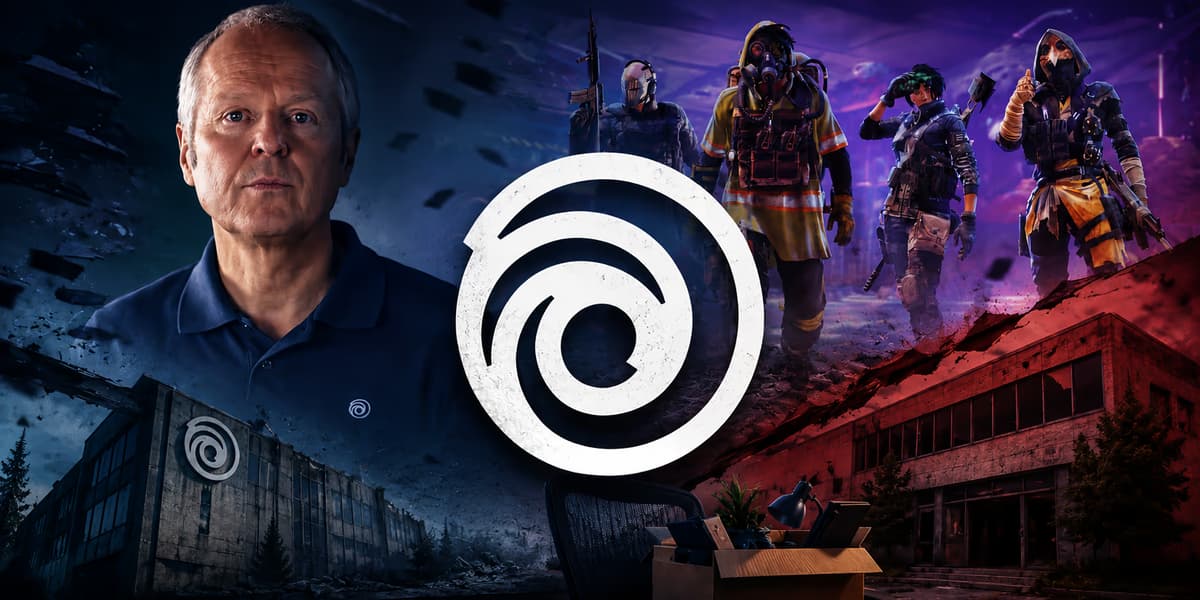

February 20, 2026: Phil Spencer retired after 38 years at Microsoft. Sarah Bond resigned. Asha Sharma, president of Microsoft's CoreAI division, became CEO of Microsoft Gaming effective February 23.
Media coverage focused on Spencer's legacy, Sharma's "no AI slop" promise, and Bond's unexpected exit.
What they didn't focus on: Sharma joined Microsoft's CoreAI in 2024, worked there for roughly 13 months, then got moved to Xbox. Sarah Bond—publicly positioned as Spencer's successor—left Microsoft entirely. Matt Booty, who oversaw 2025's studio massacre, got promoted to Chief Content Officer.
Connect those dots.
Who Asha Sharma Actually Is

Career timeline:
- 2011-2013: Microsoft (marketing roles)
- 2013-2017: Porch Group (COO, insurance company IPO)
- 2017-2021: Meta (VP Product & Engineering, Instagram Direct/Messenger)
- 2021-2024: Instacart (COO, managed $30B+ P&L, led to profitability and IPO)
- 2024-Feb 2026: Microsoft CoreAI President
- Feb 2026-present: Microsoft Gaming CEO
Gaming experience: Zero. None documented.
What she's built: Messaging platforms reaching billions. Grocery delivery logistics. AI infrastructure tools. Insurance marketplace.
What she hasn't built: Games. Gaming platforms. Gaming communities.
Satya Nadella's explanation in the announcement email: "Over the last two years at Microsoft, and previously as Chief Operating Officer at Instacart and a Vice President at Meta, Asha has helped build and scale services that reach billions of people and support thriving consumer and developer ecosystems."
Two years at Microsoft. Thirteen months leading CoreAI. Now running a $5.96 billion gaming division with 40+ studios.
The CoreAI Timeline Nobody's Connecting
January 13, 2025: Microsoft announced CoreAI — Platform and Tools division. Former Meta VP of Engineering Jay Parikh named EVP to lead it.
Satya Nadella's memo: "To more rapidly and boldly advance our roadmap... we are creating a new engineering organization: CoreAI – Platform and Tools... Jay Parikh will lead this group as EVP."
Asha Sharma's role at that point: President of CoreAI Product, reporting to Parikh.
If not a demotion in title, it was one in practice. She went from running CoreAI to reporting to someone brought in above her.
Thirteen months after joining CoreAI (February 2024), one month after Parikh's appointment (January 2025), Sharma became Xbox CEO (February 2026).
Standard career progression? Or did CoreAI not work out?
Industry question nobody asked publicly: if Sharma was crushing it at CoreAI, why move her to Xbox after barely a year? Microsoft doesn't typically rotate successful executives out of critical AI infrastructure roles during "the AI era."
Possible explanations:
- CoreAI needed Parikh's specific engineering expertise and Sharma was repositioned
- Gaming needed someone with platform-scaling experience more urgently
- Sharma requested the move
- CoreAI results didn't justify keeping her there
Microsoft provided no clarification. Sharma's LinkedIn shows CoreAI role ending February 2026, Xbox role starting February 2026. Clean transition.
But the timing—Parikh takes over CoreAI leadership in January, Sharma moves to Xbox in February—suggests urgency, not long-term planning.
Sarah Bond's Exit: The Heir Apparent Who Wasn't
October 26, 2023: Sarah Bond promoted to Xbox President, reporting to Phil Spencer. Media positioned her as Spencer's eventual successor.
February 17, 2026: Xbox published Avowed on PS5 after one year of Xbox/PC exclusivity.
February 20, 2026: Phil Spencer announced retirement. Sarah Bond announced resignation. Same day.
Spencer's email: "As part of this transition, Sarah Bond has decided to leave Microsoft to begin a new chapter."
Bond's LinkedIn post: "When we announced our intention to acquire Activision Blizzard in 2022, I committed to helping lead Xbox through what would be a critical period of change. Over the past four years, we've navigated that moment together and positioned the business for what comes next."
Read: "I stayed through the Activision acquisition integration. It's done. I'm out."
What "positioned the business for what comes next" actually looked like under Bond's tenure:
- Q1 FY26: Xbox hardware revenue down 29%
- Q2 FY26: Gaming revenue down 9.4%, hardware down 32%
- Console sales: 1.7 million units in 2025 (less than 8-year-old Nintendo Switch)
- Game Pass: ~35 million subscribers vs 50 million internal target
- Studio closures: Tango Gameworks, Arkane Austin, Alpha Dog, Roundhouse, The Initiative
- Major cancellations: Perfect Dark, Everwild, ZeniMax MMORPG
- Layoffs: 15,300+ gaming employees in 2025
Bond oversaw Xbox platform strategy, Game Pass, cloud gaming, hardware. Those are the divisions in crisis.
She left the same day Spencer retired. Not a month later. Not after transition planning. Same day.
Why?
Three possibilities:
- She was passed over for CEO and left rather than report to someone with no gaming experience
- Microsoft asked her to stay through Spencer's transition—she declined
- Her departure was negotiated as part of the leadership restructure
Microsoft's official line: Bond "decided to leave" to "begin a new chapter."
Industry observers noted: if Bond was genuinely Spencer's chosen successor and left voluntarily, why announce both exits simultaneously? Standard practice is separate announcements to avoid "cleaning house" optics.
The simultaneous announcement suggests coordination, not coincidence.
Matt Booty Gets Promoted. Seriously.
Matt Booty, Head of Xbox Game Studios since 2018, presided over 2025's studio massacre.
May 7, 2024: Booty sent the email announcing closure of four Bethesda studios:
- Tango Gameworks (Hi-Fi Rush: 3 million players, critical success)
- Arkane Austin (Prey developer, new immersive sim in development)
- Alpha Dog Games (Mighty Doom shut down August 2024)
- Roundhouse Studios (absorbed into ZeniMax)
May 2024 town hall: Booty could not explain why Tango was shut down despite Hi-Fi Rush's success. Claimed closures weren't tied to game quality, suggested studios "wouldn't ship another game for years" as justification.
July 2, 2025: 9,000 Microsoft Gaming layoffs. Major casualties under Booty's oversight:
- The Initiative shut down entirely before shipping a game
- Perfect Dark canceled after years of development
- Everwild canceled
- ZeniMax MMORPG canceled (Phil Spencer reportedly "couldn't stop playing it")
- 343 Industries (Halo) significant layoffs
October 10, 2025: 93 former Xbox employees signed open letter condemning management. Independent Workers' Union of Great Britain sued Microsoft for mishandling layoffs.
February 20, 2026: Matt Booty promoted to Executive Vice President and Chief Content Officer, reporting to Sharma.
Nadella's announcement: "Matt's career reflects a lifelong commitment to games and to the people who make them."
The people who made Hi-Fi Rush, Prey, and that unreleased MMORPG might disagree.
Booty's promotion sends a clear message: closing studios that deliver critically acclaimed games isn't a career liability at Microsoft Gaming. It's rewarded.
The Revenue Crisis Nobody Mentions in Announcements
Microsoft's official press releases about Sharma's appointment emphasized her "platform scaling" expertise and AI background. Nowhere did they mention Xbox's financial collapse.
Q1 FY26 (Jul-Sep 2025):
- Gaming revenue: $5.508B (down 2% YoY)
- Xbox hardware revenue: down 29%
- Xbox content & services: up 1%
Q2 FY26 (Oct-Dec 2025):
- Gaming revenue: $5.96B (down 9.4% YoY)
- Xbox hardware revenue: down 32%
- Xbox content & services: down 5%
Full-year trajectory:
- Hardware down 29-32% in consecutive quarters
- Content down 5% despite Activision Blizzard acquisition adding Call of Duty
- Microsoft CFO Amy Hood blamed "weaker sales of games from Microsoft's internal studios"
In plain English: first-party games aren't selling. Hardware is collapsing. Game Pass growth stalled at 35M subscribers—15M short of target.
Sharma inherits a division generating $5.96B quarterly while Microsoft's Intelligent Cloud business generates $32.9B—more than 5x gaming revenue.
She also inherits a mandate: Microsoft reportedly requires Xbox to hit 30% profit margin. Current margins estimated at 10-15% for Game Pass, significantly lower for hardware.
How do you triple profit margins on a declining revenue base?
Layoffs. Studio closures. Price increases. Platform abandonment.
All of which already happened in 2025 under Spencer, Bond, and Booty.
Now Sharma gets to continue the strategy or pivot. With Booty promoted (continuity) and Bond gone (change agent removed), bet on continuity.
What Sharma Actually Said
Sharma's February 20 email to Microsoft Gaming staff outlined three commitments:
1. "Great games"
"Everything begins here. We must have great games beloved by players before we do anything. Unforgettable characters, stories that make us feel, innovative game play, and creative excellence. We will empower our studios, invest in iconic franchises, and back bold new ideas. We will take risks."
This is the opposite of what Matt Booty executed in 2025. Hi-Fi Rush was beloved by players. Tango was shut down. The ZeniMax MMORPG Phil Spencer loved was canceled.
"We will take risks" rings hollow when Sharma's first major personnel decision was promoting the man who closed studios for not delivering "high-impact blockbusters."
2. "The return of Xbox"
"We will recommit to our core Xbox fans and players, those who have invested with us for the past 25 years... We will celebrate our roots with a renewed commitment to Xbox starting with console which has shaped who we are... Gaming now lives across devices, not within the limits of any single piece of hardware."
"We're recommitting to console" immediately followed by "but gaming isn't limited to hardware."
That's Phil Spencer's exact strategy—"everywhere gaming" while hardware collapses. Rebranded, not rethought.
3. "The future of play" (and AI)
"As monetisation and AI evolve and influence this future, we will not chase short-term efficiency or flood our ecosystem with soulless AI slop. Games are and always will be art, crafted by humans."
Sharma promises no "AI slop" while coming directly from leading Microsoft's AI infrastructure division. She built the tools that generate AI slop. Now she's promising not to use them.
Believable? That depends on whether you think someone promoted from CoreAI to Gaming was promoted because Microsoft wants less AI in games or more.
The Dots Nobody's Connecting
Dot 1: Sharma joined CoreAI in 2024. Thirteen months later, she's moved to Gaming. Short tenure for C-suite.
Dot 2: Jay Parikh took over CoreAI leadership in January 2025. Sharma moved to Gaming one month later. Timing suggests urgency or displacement.
Dot 3: Sarah Bond, publicly positioned as heir apparent, exited same day as Spencer. Simultaneous announcements indicate coordination, not coincidence.
Dot 4: Matt Booty, who oversaw studio closures and mass layoffs, gets promoted to Chief Content Officer. The strategy that caused 2025's crisis is being rewarded.
Dot 5: Xbox revenue down 9.4% in Q2. Hardware down 32%. Game Pass growth stalled. These numbers weren't mentioned in the leadership announcement.
Dot 6: Sharma has zero documented gaming experience. Her background is scaling consumer platforms and logistics. Her most recent role was AI infrastructure.
Dot 7: Microsoft requires Xbox to hit 30% profit margins. Current margins estimated at 10-15%. Only way to hit that target: massive cost cuts.
Dot 8: Spencer announced retirement plans "last fall" (October 2025). Sarah Bond stayed through Activision integration (completed November 2025), then immediately left. Almost like she waited for integration completion before departing.
Connect those dots:
Microsoft needed someone to execute aggressive cost optimization on Xbox. Spencer wouldn't—or couldn't—do it. He'd already closed studios and laid off 15,000 people in 2025 to industry backlash. Bond, as heir apparent, would face scrutiny for continuing Spencer's strategy.
Solution: bring in an external executive with no gaming legacy to protect. Someone whose background is scaling platforms and hitting profitability targets. Someone who won't hesitate to make Xbox "lean and efficient" because they have no emotional attachment to gaming.
Sharma's resume: turned Instacart profitable. Managed $30B P&L. Scaled platforms to billions of users. Hit financial targets.
Not on her resume: built beloved games. Understood gaming culture. Cared about mid-tier creative studios.
Microsoft didn't hire someone to save Xbox as a gaming platform. They hired someone to make Xbox profitable as a services business.
The Questions Journalists Should Be Asking
- Why did Sharma leave CoreAI after only 13 months?
- Was she moved or did she request the transfer?
- When exactly did Microsoft approach Sharma about the Gaming role?
- Why did Sarah Bond exit same day as Spencer?
- Was Bond offered the CEO role? Did she decline?
- What specific financial targets has Microsoft set for Sharma?
- How does Matt Booty's promotion reconcile with 2025's studio closures?
- What is Sharma's actual plan for Xbox hardware, which lost 32% revenue in Q2?
- Will there be more studio closures in 2026?
- How many layoffs is Microsoft planning for Xbox in 2026?
None of these questions have been answered publicly.
Sharma's Variety interview focused on "great games" and "no AI slop." Spencer and Bond praised her "curiosity" and "commitment to players."
Nobody asked about the CoreAI departure timing. Nobody pressed on Bond's sudden exit. Nobody challenged Booty's promotion after closing beloved studios.
Stenography, not journalism.
My Assessment
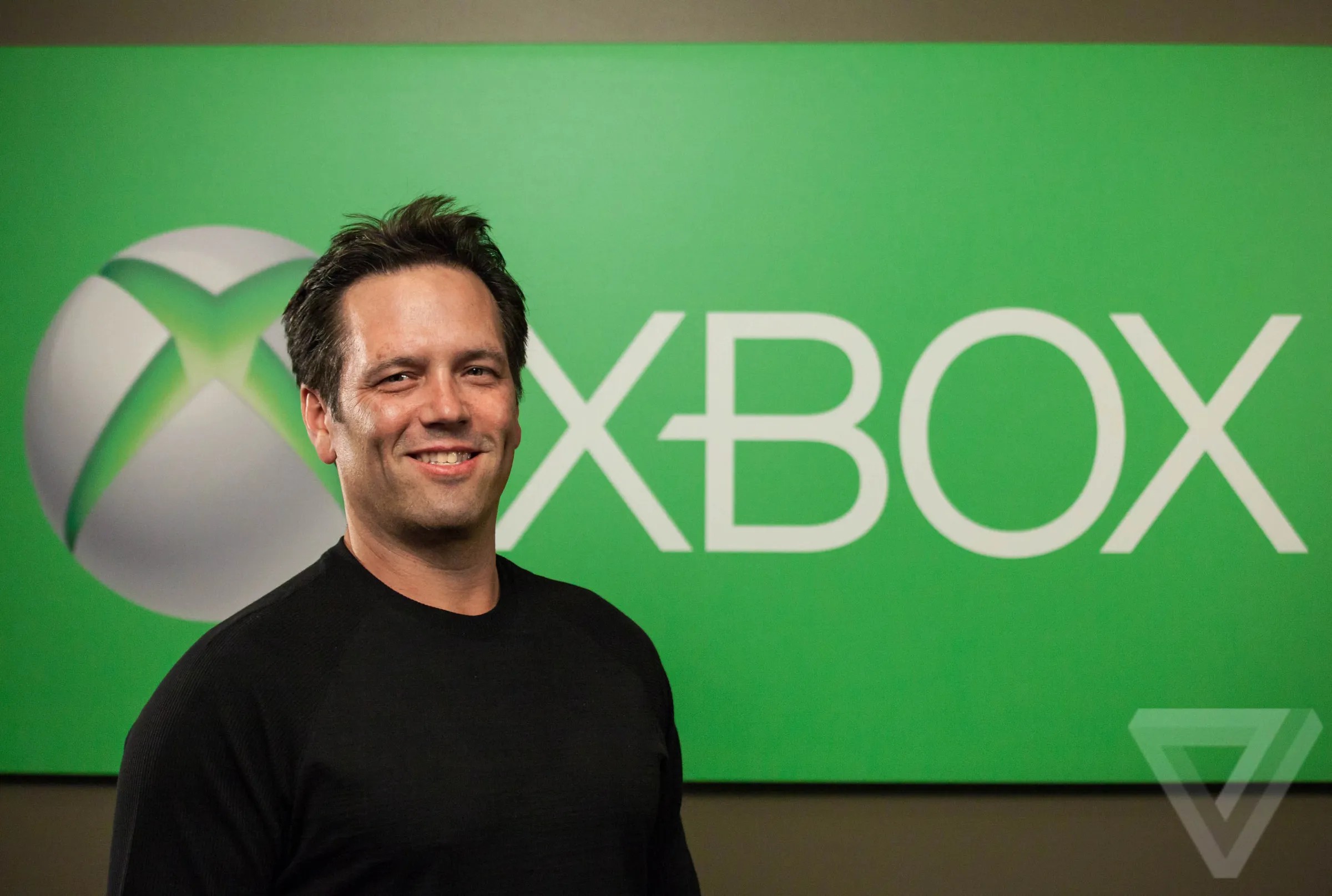
Asha Sharma might be a great executive. Her track record at Instacart and Meta suggests someone who can scale operations and hit financial targets.
But she's not a gaming executive. She's a platform optimization specialist being brought in to make Xbox profitable.
The tell is Matt Booty's promotion. If Microsoft wanted to pivot Xbox strategy away from 2025's disaster, Booty would be replaced, not promoted. His promotion signals continuity: more cost cuts, more studio closures, more "high-impact blockbuster" focus that kills mid-tier creative successes like Hi-Fi Rush.
Sarah Bond's exit is the bigger story nobody's investigating. She was publicly positioned as successor. She stayed through Activision integration. Then she left the same day Spencer retired, without taking the CEO role.
Three possibilities, all speculative but grounded in observable facts:
Possibility 1: She was passed over. Microsoft chose Sharma over Bond. Bond left rather than report to someone with no gaming experience. This suggests Microsoft prioritized financial optimization over gaming expertise.
Possibility 2: She saw the mandate and declined. Microsoft's 30% margin target requires aggressive cost cuts. Bond may have declined to execute that strategy, knowing it means more layoffs and studio closures after 2025's disaster.
Possibility 3: Microsoft wanted a clean break from the Spencer era. Both Spencer and Bond represented old Xbox: console-focused, Game Pass-driven, first-party exclusive strategy. That strategy failed commercially (1.7M consoles sold in 2025). Microsoft wanted fresh leadership unencumbered by that legacy.
Any of those possibilities means Xbox is pivoting hard away from traditional gaming platform toward... something else.
Sharma's "return of Xbox" messaging contradicts every data point. Hardware down 32%. Console sales at historic lows. Game Pass growth stalled. First-party games underperforming.
You don't "return" to something that's collapsing. You manage its decline while building something new.
"Zero gaming experience. Thirteen months at CoreAI. Promoted to run a $5.96B gaming division the same week hardware revenue dropped 32%. The resume says platform optimization. The mandate says managed decline."
What that "something new" looks like:
- Xbox as software platform on non-Xbox hardware (PCs, handhelds, eventually PlayStation/Nintendo)
- Game Pass as primary revenue driver, hardware as optional access point
- First-party games as multiplatform releases (already happening: Avowed on PS5)
- AI-driven content tools to reduce development costs (despite "no AI slop" promise)
- Studio consolidation continuing: fewer studios, bigger teams, blockbuster focus
A third-party publisher with a subscription service. And if that's the plan, Sharma's resume makes perfect sense. You don't need gaming experience to run a third-party publisher. You need platform scaling expertise, financial discipline, and willingness to make unpopular decisions.
The promotion of Matt Booty—the man who closed Hi-Fi Rush's studio and canceled projects Phil Spencer loved—confirms it. You don't promote someone for nurturing beloved-but-not-profitable games. You promote them for hitting financial targets regardless of community backlash.
The CoreAI departure timing matters
It suggests Sharma either underperformed or was displaced when Parikh took over. Microsoft doesn't move successful AI executives out of critical infrastructure roles during "the AI era" unless something didn't work.
Was she struggling at CoreAI? Did Parikh's arrival make her role redundant? Or did Microsoft genuinely identify her as better suited for Xbox's turnaround?
We don't know. Microsoft won't say. But 13 months tenure at CoreAI followed by immediate move to Gaming is unusual for C-suite executives. That's not a planned career arc. That's a redeployment.
What happens next
Short term: More layoffs. Microsoft CFO Amy Hood already guided Q3 revenue down. Costs must come down further to hit margin targets.
Medium term: More studio restructuring. Booty's promotion means more "portfolio optimization" (closures) justified by "high-impact title focus" (blockbusters or nothing).
Long term: More multiplatform releases. Xbox exclusives don't make financial sense when hardware sells 1.7M units annually. Releasing on PlayStation/Nintendo/PC generates actual revenue. Possible hardware pivot—rumors of 2027 "premium Xbox" suggest a high-end, expensive console-PC hybrid. A niche enthusiast product while mainstream Xbox becomes a software brand.
Honestly? Microsoft hired someone with no gaming experience to turn Xbox profitable. They promoted the executive who closed beloved studios. They let the heir apparent walk away rather than give her the job.
Those aren't decisions companies make when they believe in gaming's creative future. Those are decisions companies make when they've decided gaming is a financial problem requiring platform expertise and cost discipline.
Sharma's "great games" messaging is corporate speak. Her actual mandate is making Xbox hit 30% margins while revenue declines. And you can't do both. Margins come from cutting costs. Revenue is already falling.
So they'll cut costs. More studios close. More layoffs happen. More Game Pass price increases. Hardware becomes increasingly irrelevant.
And in 2027, when Xbox announces a "premium" console nobody buys because they've spent three years killing consumer confidence, Microsoft will shrug and say "the market shifted."
They won't mention they caused the shift.
The 15,300 people laid off in 2025 learned that the hard way. The studios closed despite delivering hit games learned that the hard way. The developers working on projects Phil Spencer "couldn't stop playing" that got canceled learned it the hard way.
Now Xbox fans are about to learn it too.
Sources & Methodology
Leadership announcements:
- Microsoft official announcement (February 20, 2026): Spencer retirement, Sharma appointment, Bond departure
- Satya Nadella internal email (February 20, 2026): Leadership restructure details
- Asha Sharma email to Gaming staff (February 20, 2026): Three commitments
- Sarah Bond LinkedIn post (February 20, 2026): Departure statement
Financial data:
- Microsoft FY26 Q1 earnings (October 2025): Gaming revenue, hardware decline
- Microsoft FY26 Q2 earnings (January 2026): $5.96B gaming revenue, 32% hardware drop
- Amy Hood Q2 earnings call: "weaker sales of games from Microsoft's internal studios"
Industry reporting:
- IGN, VGC, Game Informer, The Verge, Variety: Leadership coverage
- CNBC, Bloomberg: Financial analysis
- Pure Xbox, Windows Central, GeekWire: Xbox-specific reporting
- Game Developer, The Gamer, Shacknews: Studio closure coverage
- Men's Journal, Game World Observer: Sharma profile
Previous GameHazards reporting:
- The Fall of Xbox (December 2025): Studio closures, layoffs, hardware collapse under Spencer/Booty/Bond
What I Couldn't Verify
- Why Sharma left CoreAI after 13 months — Microsoft hasn't explained the timing or circumstances
- Whether Jay Parikh's appointment displaced Sharma or if the move was mutually agreed
- Whether Sarah Bond was offered the CEO role and declined, or was passed over
- The specific financial targets (30% margin) set for Microsoft Gaming — based on industry reporting, not confirmed by Microsoft
- Current Game Pass margins — estimated at 10-15% based on analyst estimates, not official disclosure
- Whether more studio closures or layoffs are planned for 2026 — based on financial trajectory analysis, not internal knowledge
Methodology note: Asha Sharma's CoreAI tenure timing, departure circumstances, and reasons for move to Gaming have not been officially explained by Microsoft. Analysis of timing and implications is based on publicly available information and industry-standard executive tenure patterns. All speculation is clearly labeled as such.
If Microsoft wants to clarify Sharma's CoreAI departure, Bond's decision-making process, or the financial mandate for Xbox, we'll publish their response in full.
This investigation was conducted independently by GameHazards, a personal blog.