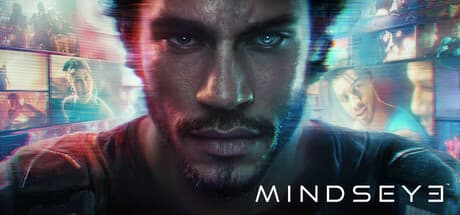
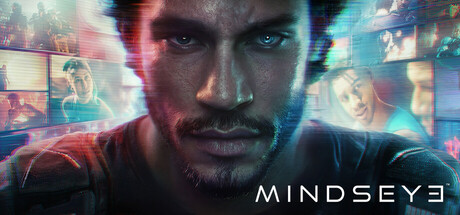
Ten months after shipping what their own CEO calls "without doubt, the worst launch in history," Build a Rocket Boy has a plan. The plan is a new story mission called Blacklist, which will, according to CEO Mark Gerhard, "share some of the evidence of the sabotage with the community."
The evidence. In a video game mission. That 18 people are currently playing.
What's Actually Being Announced
Gerhard confirmed in a GamesBeat interview that Blacklist will introduce a female playable character and incorporate evidence of the alleged sabotage uncovered during the studio's months-long investigation. He'd previously told Insider Gaming the studio planned to use the names of people it believes responsible, likely as NPCs, directly in the mission.
"Let's have some fun with it," he said. "Let's tell the community the story before it even plays out in court."
The community he's telling the story to currently numbers 18 concurrent players on Steam, 99% below the game's peak of 3,302 on launch day.
My Take: "Let's have some fun with it" is the kind of sentence that sounds bold in an internal meeting and unhinged in a press release. You have "very strong evidence" of criminal espionage and your response is a spy mission DLC. For 18 people. Most law firms charge by the hour. This strategy appears to charge by the NPC.
The Sabotage Timeline, Laid Out
The narrative has been running for ten months. Here it is in sequence, without editorializing.
May 27, 2025, two weeks before launch: Gerhard claims in a Discord Q&A that negative pre-release coverage is inorganic, bot farms, paid campaigns, a coordinated effort to damage the game before it ships.
June 10, 2025: MindsEye launches. Pedestrians walking on air. Memory leaks affecting roughly one in ten players. Game-breaking bugs across all platforms. PlayStation issues refunds within days. Metacritic lands at 28/100, lowest of any game that year.
July 2025: Leslie Benzies addresses remaining staff, says internal and external forces are responsible, promises to root out saboteurs. The BBC requests evidence. The studio provides none. Nearly 300 redundancy notices go out the following week.
February 2026: Gerhard tells staff internally the studio has "overwhelming evidence" of a campaign funded to over $1 million by "a very big American company," run through a UK-based firm he describes as "a bunch of gangsters," involving paid influencers, journalists, and employees inside the building. Still no public filings. No named defendants. No charges.
March 2026: IO Interactive ends its publishing deal with Build a Rocket Boy. The planned Hitman crossover is cancelled. The studio assumes sole publishing responsibilities.
April 2026: Blacklist is announced.
Each new claim is larger than the last. The conspiracy grows in direct proportion to the silence from any court.

Mark Gerhard: "Let's have some fun with it"
But What If He's Right
This is the question worth sitting with before dismissing it entirely.
Corporate sabotage is not fiction. It happens. Negative review campaigns, coordinated bot activity, paid influencer hits, these are documented practices used against products and studios, and the gaming industry is not immune to them. Gerhard claims UK and US authorities are actively assisting the investigation. That is either a verifiable lie or it's true, and if it's true it deserves weight.
There is also the question of IO Interactive's exit. Walking away from a publishing deal, one they'd committed to publicly, one that included a Hitman crossover they'd already announced, carries real cost. Companies don't absorb that kind of reputational and financial friction for nothing. Maybe there were contract disputes. Maybe the financial risk of a failing title finally outweighed the relationship. Maybe internal politics at IOI made the cut cleaner than continuing. Those are all possible.
And if a coordinated million-dollar campaign did target MindsEye at launch, you would expect exactly what happened: a wave of negative coverage before most outlets even had review copies, influencer pile-ons, Steam review bombing, and a player count that collapsed within days of launch.
That matches the timeline.
Here is why it still doesn't hold up as the primary explanation.
Seven employees independently told the BBC there was no coherent vision for the game. Seven separate employees told Decode the same thing, in interviews conducted separately, with internal documents supporting the account. Developers described working on "four to five games simultaneously." The "Leslie ticket" system, where one person's personal playthroughs overrode the work of 400 developers, is documented by name, by multiple sources, across two independent investigations.
A coordinated external campaign can suppress a good product. It cannot manufacture scope creep across six years of development. It cannot create conflicting internal creative direction. It cannot produce memory leaks and pedestrians walking on air in a game that never knew what it wanted to be. And it cannot explain why the people closest to the project, the publisher with contractual access to the studio's internals, chose to quietly absorb the cost of leaving rather than stay.
The sabotage may be real. It may even be proven eventually. But it is not the reason MindsEye failed. At best it's a footnote on top of a documented collapse that was already in progress before anyone outside the studio had even played the thing.
What Gerhard Is Also Saying
In the same interview, Gerhard said MindsEye is "being very well-reviewed" and that "sales are increasing organically, doubling almost weekly."
The current Metacritic score is 39. At time of reporting, seven people were playing on Steam. As one outlet noted with admirable restraint: if one person buys a game one week and two people buy it the next, sales have technically doubled.
He also confirmed more layoffs are coming after two rounds of cuts. Benzies, who took extended leave after launch, is reportedly back.
"Doubling almost weekly" while your publisher just walked out, your Hitman crossover was cancelled, and your concurrent playerbase fits in a minibus. That's the growth story being told.
The Questions That Still Need Answers
If the evidence is strong enough to put in a video game, why isn't it in a court filing? Gerhard says UK and US authorities are now handling it. Fine. So why preempt their process with DLC?
If named individuals appear as NPCs in the mission before any court establishes their guilt, what happens when those people sue for defamation? "Let's have some fun with it" has a legal bill attached to it that hasn't arrived yet.
And the structural question nobody has cleanly answered: how does a million-dollar external sabotage campaign produce the specific internal failures, scope creep, directional chaos, unpaid overtime, crunch without output, that fourteen sources across two outlets described independently?
Corporate espionage leaves fingerprints on distribution, on review scores, on public perception. It does not typically leave fingerprints on six years of internal development dysfunction.
The IO Interactive Question
The publisher that had the most access, the most financial exposure, and the most contractual visibility into what actually happened at Build a Rocket Boy denied the sabotage claims and left. They said nothing inflammatory. They absorbed the cost of cancelling a publicly announced Hitman crossover. They just left.
There are legitimate alternative reasons for that exit, contract disputes, risk management, internal IOI priorities. Publishing deals fall apart for mundane reasons all the time. It's worth saying.
It's also worth saying that companies which believe they've witnessed a genuine criminal conspiracy tend to have lawyers who make noise on the way out. IOI made none. They transferred the publishing rights, killed the crossover, thanked the community, and went back to making Hitman. That is a very particular kind of quiet.
The Bottom Line
Build a Rocket Boy has spent 233 million pounds, laid off approximately 300 people across two rounds of cuts, lost their publisher, and is now routing their evidence strategy through a fictional spy mission to an audience of 18 people on a 70% discount.
If the arrests come, if court filings materialize, if the named conspirators face charges, this article needs an update and will get one. That offer is genuine.
Until then: a studio that by its own employees' accounts didn't know what game it was making shipped something so broken PlayStation refunded it within days, blamed everyone in reach, watched its publisher quietly absorb the exit cost and leave, and is now telling its side of the story inside a game.
"Let's have some fun with it."
Someone is. The 18 people still playing probably aren't.